
Defining a Glazing System
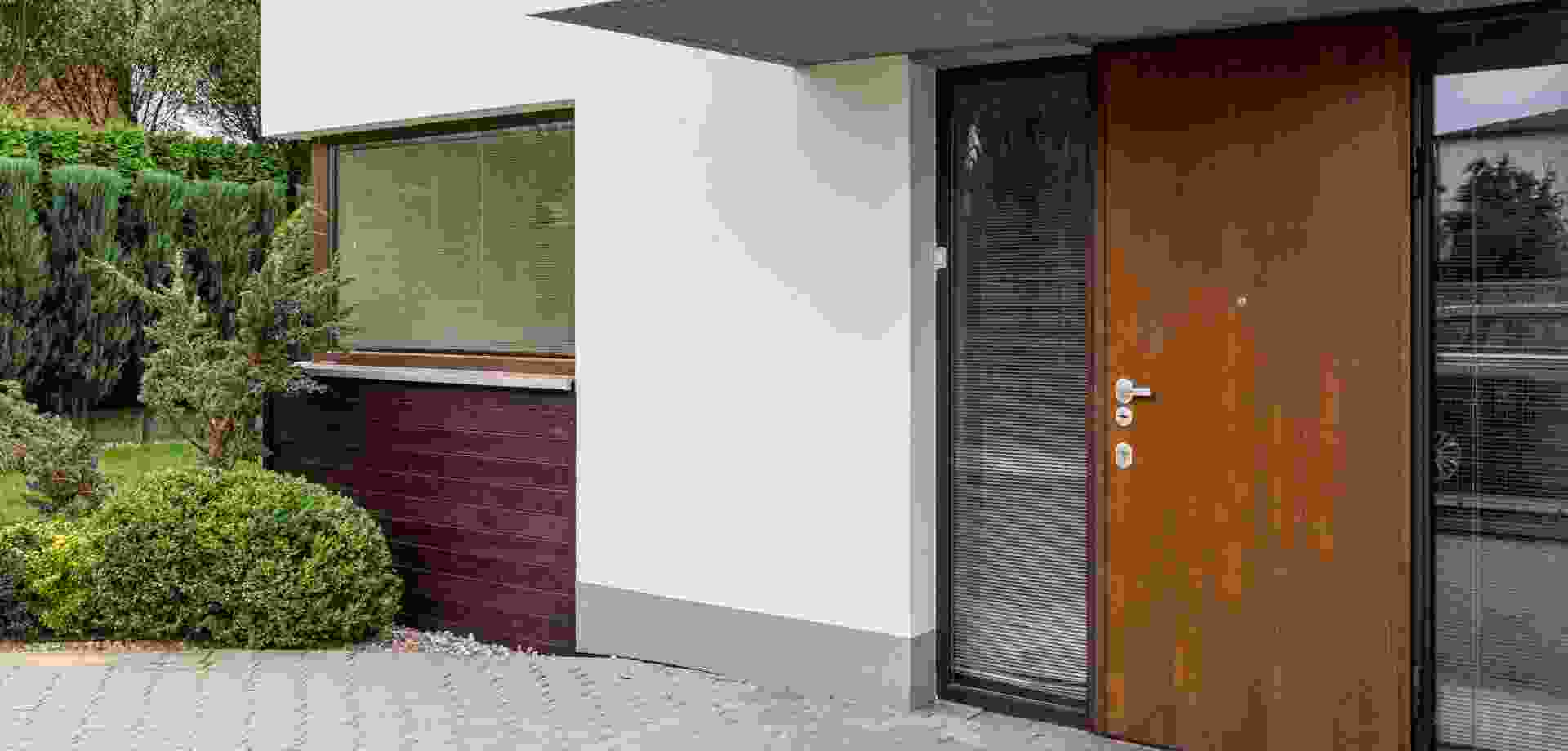
When we talk about “glazing” in the context of aluminium windows, we aren’t just talking about glass panes. A glazing system refers to the combination of engineered components - glass, frames, thermal breaks, seals, hardware, spacers, and coatings - that work together to deliver performance.
In modern architecture, glazing accounts for up to 80% of a façade’s visible surface. As buildings become more transparent and design trends favour large glass expanses, understanding the glazing system becomes essential for architects, designers, builders, and even homeowners who care about comfort, energy use, and aesthetics.
Why Glazing Matters More Than You Think
Energy Efficiency
One of the most critical reasons glazing matters is thermal performance. Highperformance glazing - especially when paired with thermally broken aluminium frames - reduces heat transfer, helping buildings stay warmer in winter and cooler in summer.
This directly affects:
- This directly affects:
- Occupant comfort
- Carbon emissions and sustainability certifications
In many regions (including the UK and EU countries), building codes now require minimum Uvalues (thermal performance metrics). Glazing systems must be specified carefully to meet these thresholds.
Acoustic Performanc
Modern glazing can significantly reduce noise transfer - a critical consideration for urban apartments, commercial buildings in busy zones, and hospitality spaces.
Acoustic performance isn’t just about glass thickness - it also relates to:
- Laminated vs. tempered glass
- Air gap width in double or triple glazing
- Air gap width in double or triple glazing
Core Components of Glazing Systems
1. Insulated Glass Units (IGUs)
IGUs are the heart of modern glazing systems. They consist of two or more glass panes separated by a spacer and filled with air or inert gas (like argon or krypton). IGUs offer:
- Reduced heat transfer
- Improved sound insulation
- Condensation reduction
Different IGU configurations:
- Double Glazing: Two panes + spacer. Standard for residential and commercial projects.
- Triple Glazing: Three panes + two spacers. Ideal for cold climates and highsound environments.
2. Glass Types and Coatings
The glass itself also matters:
Tempered Glass
Tempered Glass
- Heattreated to increase strength
- Breaks into small safe fragments
Laminated Glass
- Two or more panes bonded with polymer layers
- Offers security and acoustic dampening
LowE Glass
- Coated with microscopically thin metal oxides
- Reflects heat while allowing light
Solar Control Glass
- Reduces heat gain from sunlight
- Useful in hot climates
3. Frame Systems
Aluminium frames are prized for strength, durability, and design flexibility. But to avoid thermal bridges (areas where heat can easily pass through), modern frames incorporate thermal breaks - insulating materials that interrupt heat flow.
The result:
The result:
- Better energy ratings
- Lower condensation
- More stable indoor temperatures
4. Seals and Weather Barriers
The best glazing units are only as good as their seals. Weather seals keep out:
- Water ingress
- Air infiltration
- Dust and pollutants
Quality EPDM or silicone gaskets prolong system performance and durability.
Performance Metrics to Understand
UValue (Thermal Transmittance)
Measured in W/m²K, a lower Uvalue indicates better insulation. Typical target values:
- Residential new build: < 1.4 W/m²K
- Commercial façades: 1.2–1.6 W/m²K
- Passive house / high efficiency: < 0.8 W/m²K
Solar Heat Gain Coefficient (SHGC)
Indicates how much solar heat enters through glazing. High SHGC can aid passive heating in cold climates but may cause overheating in hot climates - so regional calibration is key.
Sound Transmission Class (STC)
Shows acoustic insulation levels. A higher STC means better sound reduction.
Indicates how much solar heat enters through glazing. High SHGC can aid passive heating in cold climates but may cause overheating in hot climates - so regional calibration is key.
Sound Transmission Class (STC)
Shows acoustic insulation levels. A higher STC means better sound reduction.
RealWorld Applications of Glazing Systems
Commercial HighRise and Office Façades
Here, glazing isn’t just functional - it defines the building’s identity. Large IGUs with lowE coatings and thermally broken frames help reduce HVAC loads while offering transparency and views.
Hotels and Hospitality Spaces
Noise control and comfort are major priorities. Laminated glass combined with optimized IGUs significantly increases acoustic performance and guest comfort.
Residential Retrofits
Upgrading old windows with modern glazed solutions can drastically improve energy performance, reduce condensation, and raise property value.
Here, glazing isn’t just functional - it defines the building’s identity. Large IGUs with lowE coatings and thermally broken frames help reduce HVAC loads while offering transparency and views.
Hotels and Hospitality Spaces
Noise control and comfort are major priorities. Laminated glass combined with optimized IGUs significantly increases acoustic performance and guest comfort.
Residential Retrofits
Upgrading old windows with modern glazed solutions can drastically improve energy performance, reduce condensation, and raise property value.
Installation Best Practices
Even the best glazing systems fail if installed poorly. Key considerations include:
- Frame alignment and levelness - any deviation affects seal performance.
- Proper sealant application - ensures air and water tightness.
- Correct IGU handling - improper handling can compromise edge seals and performance.
In many jurisdictions, including the UK, certified installers and compliance documentation matter for building regulations and warranties.
Maintenance & LongTerm Performance
Glazing systems require minimal but regular maintenance:
- Clean frames and glass with nonabrasive products
- Inspect seals annually
- Check drainage paths on aluminium frames
Proper care extends service life and keeps performance metrics high.
Beyond Function: Design & Aesthetic Considerations
Today’s designers seek glazing that doesn’t just perform but elevates spaces. Some trends include:
- Minimal sightlines to maximize glass area
- Custom frame colours (RAL finishes and anodised options)
- Curved or corner glazing for contemporary form
Curved or corner glazing for contemporary form
Future Focus: Smart & Dynamic Glazing
Technology isn’t static:
- Electrochromic glass can tint automatically to control glare
- Integrated shading systems can react to sun exposure
- Sensors and IoT integration optimize efficiency based on occupancy and sunlight
These innovations are increasingly viable for highend commercial and residential applications.
Wrapping Thoughts: Performance Meets Vision
Successful glazing systems are more than technical - they are both functional and expressive.
They balance thermal efficiency, acoustic comfort, material durability, and architectural intent.
Whether you’re designing a city centre building, a suburban townhouse, or a mixeduse complex, mastering glazing systems will unlock both performance and aesthetic value.
Forge+Finish’s curated range of aluminium glazing systems helps you achieve these goals with engineered precision and design versatility - ready for any climate, context, or architectural vision.
Vitae semper quis lectus nulla at. Vestibulum rhoncus est pellentesque elit ullamcorper dignissim cras tincidunt lobortis.consectetur orci. Interdum et malesuada fames ac ante ipsum primis in faucibus. Aliquam erat volutpat. Aenean volutpat neque blandit efficitur pellentesque.
– Jerry Wyrick – MD
- This directly affects:
- Occupant comfort
- Carbon emissions and sustainability certifications
Comments ( 1 )
Comments are closed.
At risus viverra adipiscing at. Ut tortor pretium viverra suspendisse potenti nullam ac tortor. Morbi blandit cursus risus at ultrices mi. Quis risus sed vulputate odio ut enim. Ut faucibus pulvinar elementum integer enim neque.